


The Living Nature of Linen: Embracing Its Unique Qualities

Updated: May 6
Linen is more than just a fabric; it is a connection to nature. This article delves into the fascinating aspects of linen as a living material. We will explore its benefits, care, and how it enhances our daily lives.
What Does It Mean for Linen to Be a Living Material?
When we say linen is a living material, we mean it retains characteristics from the flax plant it comes from. Linen is made from fibers extracted from the flax stalk, and unlike synthetic fabrics, it keeps some of the natural properties of the plant.
These properties include:
Breathability: Linen fibers allow air to pass through easily, helping regulate temperature.
Moisture-wicking: Linen absorbs moisture without feeling damp, keeping skin dry.
Antibacterial qualities: Natural compounds in flax resist bacteria growth.
Biodegradability: Linen breaks down naturally without harming the environment.
These features come from the fact that linen fibers are still biologically active at a microscopic level. They respond to humidity, temperature, and even light, much like living organisms do.
How Linen’s Living Nature Affects Its Use
Comfort and Wearability
Because linen fibers interact with moisture and air, linen clothing feels cool and comfortable, especially in warm weather. The fabric adapts to your body’s temperature, making it ideal for summer wear or bedding.
Durability and Aging
Linen’s living fibers strengthen over time. Unlike synthetic fabrics that degrade or lose shape, linen becomes softer and more resilient with use and washing. This is why vintage linen pieces often look and feel better than new ones.
Care and Maintenance
Treating linen as a living material means understanding it needs gentle care. Harsh chemicals or high heat can damage the fibers’ natural structure. Washing linen in cool water and air drying helps preserve its qualities.
The Science Behind Linen’s Living Qualities
Flax plants contain cellulose, hemicellulose, and lignin, which form the structure of linen fibers. These components give linen its strength and flexibility. The fibers also contain natural waxes and pectins that protect them and maintain moisture balance.
Microscopic studies show that linen fibers have tiny pores and channels that allow air and water vapor to move through. This structure is dynamic, changing slightly with environmental conditions, which is why linen feels so breathable and fresh.

Close-up of linen fabric reveals the natural texture and fiber structure that contribute to its living qualities.
Environmental Benefits of Linen’s Living Properties
Linen’s living nature also makes it an eco-friendly choice. Flax plants require less water and pesticides than cotton, and linen fabric decomposes naturally after disposal. This reduces landfill waste and pollution.
Because linen fibers breathe and wick moisture, linen clothing often needs less frequent washing, saving water and energy. Its durability means fewer replacements, reducing overall textile waste.
Practical Tips for Using and Caring for Linen
To get the most from linen’s living qualities, follow these simple tips:
Wash gently: Use mild detergent and cool water.
Avoid bleach: Harsh chemicals break down fibers.
Air dry: Avoid high heat from dryers.
Store properly: Keep linen in a dry, ventilated space.
Use linen regularly: The fabric improves with use.
These practices help maintain linen’s natural strength and comfort.
Linen in Everyday Life: Examples of Its Living Qualities
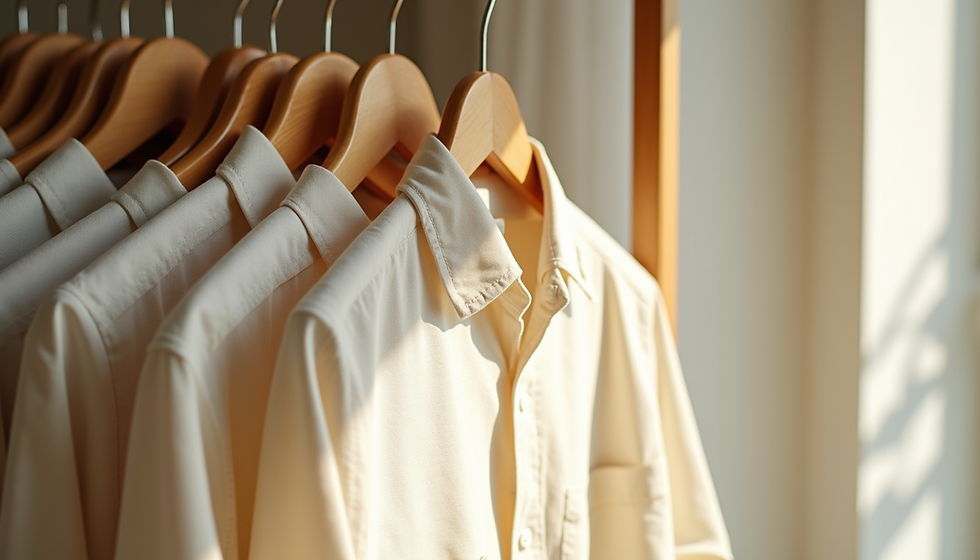
Clothing: Linen shirts and dresses stay cool and dry in hot weather.
Bedding: Linen sheets regulate temperature and reduce night sweating.
Home textiles: Linen curtains and upholstery breathe, preventing mold.
Accessories: Linen bags and hats are durable and lightweight.
Each use benefits from linen’s ability to adapt and respond to its environment.
Why Knowing Linen Is a Living Material Matters
Understanding linen as a living material changes how we value it. It encourages us to:
Choose linen for its natural benefits rather than synthetic alternatives.
Care for linen properly to extend its life.
Appreciate the environmental advantages of natural fibers.
Recognize the craftsmanship involved in producing linen fabric.
This knowledge helps consumers make informed decisions that support sustainability and quality.
Enhancing Your Skincare Routine with Linen
Incorporating linen into your skincare routine can offer remarkable benefits. The breathable and moisture-wicking properties of linen textiles can enhance your nightly skincare regimen. By using linen pillowcases and sheets, you can create a soothing environment that supports your skin's health.
Imagine resting your head on a soft, breathable linen pillowcase after applying your favorite night cream. The gentle texture of linen allows your skin to breathe while keeping it dry and comfortable. This small change can significantly impact your skincare routine, making it more effective and enjoyable.
Conclusion: Embrace the Living Quality of Linen
Linen is not just a fabric; it is a living material that enriches our lives. Its unique properties offer comfort, durability, and environmental benefits. By understanding and appreciating linen, we can make choices that support our well-being and the planet.
As we embrace the living quality of linen, let us choose it for our clothing, bedding, and skincare routines. Together, we can celebrate the beauty and functionality of this remarkable fabric.


Comments